
Creatine Benefits for Lifters: Unlock Strength & Recovery

Unlocking Strength: The Benefits of Creatine for Lifters
If you frequent gyms or mingle in fitness circles, you’ve likely heard whispers or outright endorsements of creatine. This popular supplement has been scrutinized under the scientific microscope and emerged not only unscathed but highly recommended. But what exactly does it offer the everyday lifter? Is it reserved only for elite athletes, or can the regular Joe and Jane at the gym reap significant benefits too? Let’s dive into the world of creatine and discover how it can enhance your fitness journey.
What is Creatine?
Creatine is a naturally occurring compound found in small amounts in certain foods like meat and fish. It’s also produced by the human body and primarily stored in the muscles, where it plays a crucial role in energy production during high-intensity, short-duration exercises.
The Science Behind Creatine
How Creatine Works
At the molecular level, creatine helps regenerate ATP (adenosine triphosphate), the primary source of energy for muscle contractions. During intense lifting, ATP breaks down to produce energy, and the rate of its replenishment can limit exercise performance and duration. Creatine increases these ATP reserves, enhancing energy production, particularly during short bursts of high-intensity activities.
Research-Backed Benefits
Multiple studies validate creatine’s efficacy in boosting athletic performance, particularly in strength and power sports. Consistent supplementation has been shown to enhance strength, increase muscle mass, and improve recovery times.
Benefits for the Everyday Lifter
Increased Muscle Strength and Power
One of the most celebrated benefits of creatine is its ability to enhance muscle strength and power. This is particularly advantageous for lifters looking to break through plateaus. A meta-analysis of over 300 studies found that creatine supplementation on average increases strength performance by 10-20% in those who engage in resistance training regularly.
Enhanced Muscle Mass
Creatine causes muscles to draw in water, volumizing them temporarily. This not only improves muscle appearance but more importantly, contributes to a longer-term increase in muscle fiber size due to enhanced protein synthesis. For the everyday lifter, this means more visible gains from the same amount of effort.
Improved Recovery
Recovery is just as crucial as the workout itself in any fitness regimen. Creatine has been shown to reduce muscle cell damage and inflammation following exhaustive exercise, promoting faster recovery. This means you can return to the gym sooner and train more effectively, without the setbacks of prolonged muscle soreness.
Boosted Brain Health
Interestingly, the benefits of creatine extend beyond the gym. Research indicates that creatine supplementation can also enhance brain function, improving memory and reducing mental fatigue. While not the primary reason a lifter might take creatine, it’s a welcome bonus that can impact daily cognitive tasks.
Safe and Well-Tolerated
Creatine is one of the most extensively studied sports supplements and is widely regarded as safe for most people when used at recommended doses. It is also one of the few sports supplements to be recommended by both the International Society of Sports Nutrition and the American Dietetic Association for its proven efficacy and safety profile.
How to Use Creatine
Getting Started
For those new to creatine, a typical approach is to start with a loading phase: consuming around 20 grams per day (divided into four 5-gram servings) for 5-7 days. This saturates the muscles rapidly. After this phase, a lower daily dose of 3-5 grams can be used indefinitely to maintain high levels of creatine in the muscles.
When to Take It
The timing of creatine intake can play a role in its effectiveness. Research suggests taking creatine shortly before or after your workout can be more beneficial than taking it at other times of the day. This is because workouts increase blood flow to muscles, potentially increasing the uptake of creatine and amplifying its effects.
What to Mix It With
Creatine mixes well with water but can be taken with other liquids like juice. Some evidence suggests that taking creatine with a carbohydrate source can improve muscle uptake due to the spike in insulin levels.
What to Get
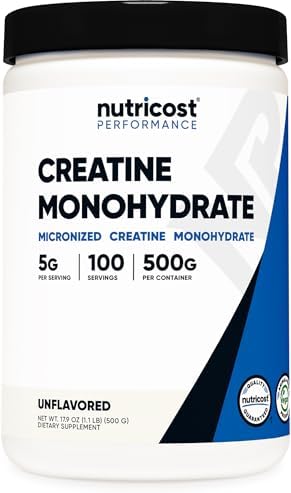
Creatine monohydrate is the only form that you need to get. There are many other forms claiming to be better but do not have the long term research backing of monohydrate and are often more expensive. Many people will prefer a micronized creatine monohydrate powder since it is more water soluble and less chalky. Just get whatever you can get the best deal on or has the flavor you enjoy.
Conclusion: A Staple in Your Fitness Arsenal
For the everyday lifter, creatine offers a range of benefits that extend from the gym to daily life. Whether your goal is to increase strength, speed up recovery, or simply look better, adding creatine to your supplement stack could be a game-changer. Remember, while supplements can enhance your results, they should accompany a well-rounded diet and consistent exercise program. So, consider creatine not just as a supplement, but as a daily ally on your journey to better health and fitness.


Disclosure: This post contains affiliate links. If you buy through these links, I may earn a small commission at no extra cost to you